English
 中文简体

Fire protection piping is not a single product; it is a system of pipes, fittings, supports, and valves that either delivers water to suppress a fire or protects the electrical circuits that keep life-safety systems running during a fire. If you are selecting piping for a fire sprinkler system, start with the material and the listed standard, not the lowest price. If you are selecting conduit for fire alarm, emergency lighting, or smoke control, focus on the fittings that maintain circuit integrity under heat and mechanical shock.
This guide explains the main material families, the fittings that matter, code requirements, installation risks, and maintenance points. It also shows where electrical conduit fittings fit into a complete fire protection strategy.
What Is Fire Protection Piping?
Fire protection piping is a broad term that covers two different but equally important piping systems: fire sprinkler piping that carries extinguishing water, and fire-rated electrical conduit that shields critical wiring from fire damage.
Fire sprinkler piping includes the underground main, riser, cross main, branch lines, and the small armovers that feed individual sprinklers. Electrical conduit used for fire protection includes raceways for fire alarm circuits, emergency lighting, elevator recall, and smoke exhaust fans. Both systems must remain operational long enough for occupants to evacuate and for responders to work.
- Wet pipe systems: always contain water and are the most common sprinkler arrangement.
- Dry pipe systems: use compressed air or nitrogen until a sprinkler opens, then flood with water. They are common in unheated spaces.
- Pre-action systems: require a detection signal before water enters the pipe, reducing accidental water damage.
- Fire-rated electrical raceways: metal or nonmetallic conduit systems that protect critical circuits from fire, heat, and physical damage.
Fire Protection Piping Materials: Steel, Copper, CPVC, and PEX
Steel remains the default choice for most commercial sprinkler systems because it combines high strength, proven fire performance, and predictable code acceptance. Copper and CPVC are viable in smaller or specialized systems, but each material carries limits that must be checked against the hazard, water quality, and local code.
| Material | Key strengths | Main limits | Typical use |
|---|---|---|---|
| Black steel | High strength, low cost, good fire performance | Corrodes in wet systems unless treated or protected | Commercial sprinkler mains and branch lines |
| Galvanized steel | Better corrosion resistance than black steel | Field welding damages the zinc coating | Indoor and outdoor sprinkler piping, exposed locations |
| Copper | Excellent corrosion resistance, easy to solder or braze | Higher material cost, can be affected by aggressive water | Residential and light commercial sprinkler systems |
| CPVC | Corrosion-free, fast solvent-cement installation | Temperature and pressure limits; requires listed fittings and cement | Residential and light-hazard sprinkler systems |
| PEX | Flexible, freeze-resistant, fewer joints | Needs specialized fittings and manufacturer approval | Residential and small commercial systems |
| Stainless steel | Corrosion and heat resistance | High cost, specialized welding | Corrosive or high-temperature environments |
Critical Fittings and Components for Fire Protection Piping
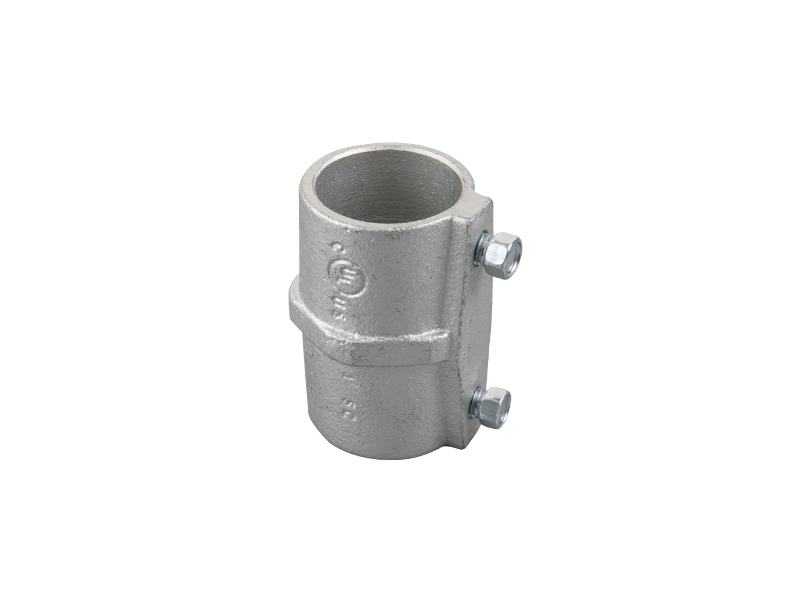
Fittings determine whether a fire protection piping system can be assembled, inspected, and maintained without leaks or restrictions. For sprinkler piping, grooved couplings, elbows, tees, reducers, and flanged adapters dominate. For fire-rated electrical conduit, liquid-tight connectors, compression couplings, set-screw connectors, bushings, and conduit clamps are the workhorses.
In electrical fire protection, the fitting must do more than hold two pieces of conduit together. It must maintain grounding continuity, resist water and dust, and keep the raceway sealed so that fire, smoke, or hot gases cannot enter the conduit and damage conductors.
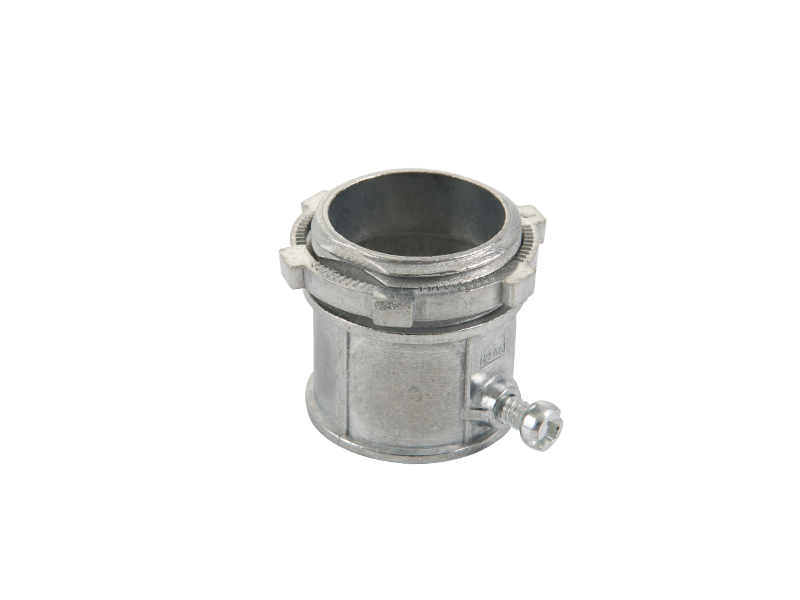
 Steel Raintight Compression Connector for EMT ConduitSeals EMT conduit entries to steel boxes in wet or dry locations while maintaining raintight, concrete-tight protection for electrical raceways.View Product →
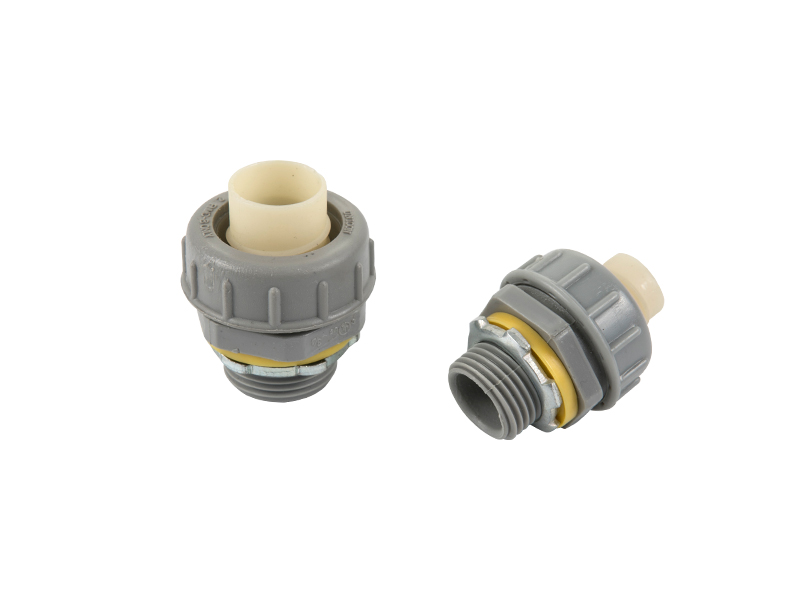
For outdoor or wash-down areas, a raintight steel compression connector is often the right choice because it seals the conduit entry while providing a secure mechanical grip. For flexible connections, a liquid-tight flexible nonmetallic conduit helps isolate vibration and simplifies routing without sacrificing moisture protection.
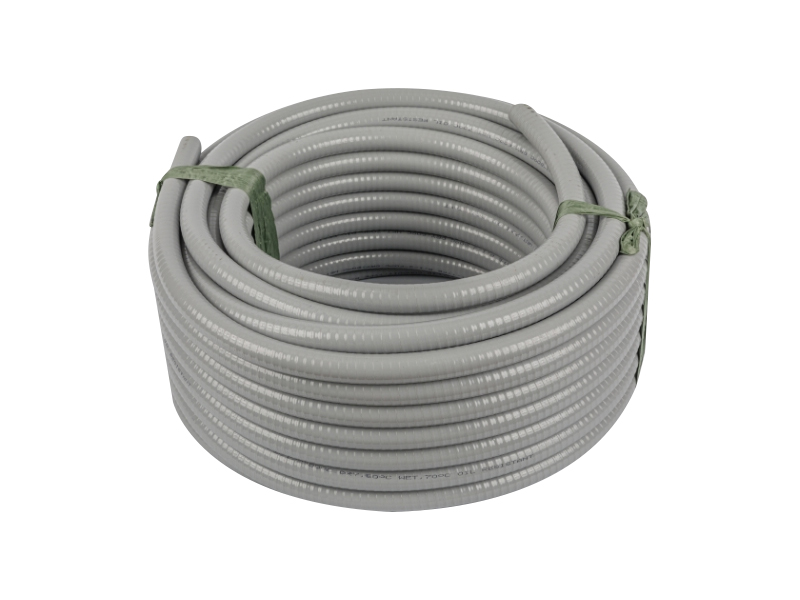 Liquid-Tight Flexible Nonmetallic Conduit for Electrical RoutingFlexible nonmetallic conduit isolates vibration and simplifies routing in wet areas, available with PVC jacket and sunlight-resistant construction for outdoor or direct-burial installations.View Product →
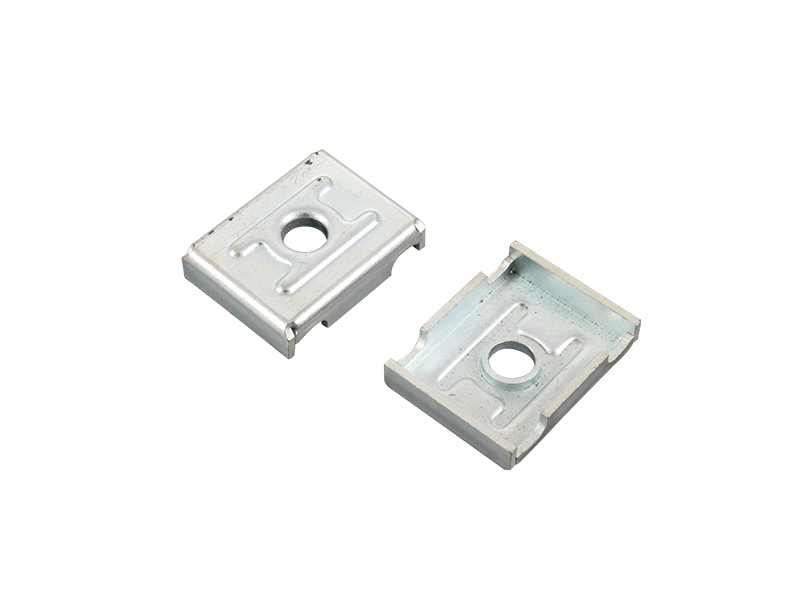
Support and clamping matter just as much as the pipe or conduit itself. One-hole EMT straps and two-hole straps keep raceways aligned and reduce strain at terminations. In fire-rated assemblies, the support spacing must follow the listing and the applicable electrical code.
 One-Hole EMT Conduit Straps for Electrical Raceway SupportZinc-plated steel straps support EMT conduit, snap onto raceways for easy installation, and help maintain code-required spacing in electrical systems.View Product →
Standards and Code Compliance
Fire protection piping must comply with the adopted building code, fire code, and referenced standards; approval by a listing agency is not optional. For sprinkler systems, NFPA 13 governs design and installation, NFPA 14 covers standpipes, and NFPA 20 covers fire pumps. For electrical raceways, NFPA 70 (NEC) and UL 797 or UL 514B apply, depending on the conduit and fitting type.
Common approval marks include UL, FM, and CSA. Material standards such as ASTM A53, ASTM A795, ASTM B88, and ASTM F442 may be specified for steel, copper, and CPVC pipe. When a submittal is reviewed, the reviewer will check that the pipe, fittings, cement, and supports are all listed as a system. Mixing unlisted components is a frequent reason for rejection.
Installation Best Practices and Common Mistakes
Most fire protection piping failures come from installation details, not from the pipe material itself. Poor support, missing corrosion protection, incompatible fittings, and inadequate clearances cause more problems than normal wear.
- Confirm the listing: use fittings and pipe from the same listed system whenever the manufacturer requires it.
- Control corrosion: galvanize, paint, or wrap steel piping where moisture or chemicals are present. Do not rely on black steel alone in wet systems.
- Respect support spacing: follow NFPA 13 for sprinkler pipe and the NEC for electrical raceways. Sagging pipe stresses joints and can block sprinkler coverage.
- Avoid mixed materials without isolation: copper-to-steel connections need dielectric protection to prevent galvanic corrosion.
- Do not over-torque: excessive torque can crack zinc die-cast fittings or distort compression rings. Follow the manufacturer's torque values.
- Keep conduit seals tight: liquid-tight connectors and raintight fittings must be tightened to the correct range to maintain their environmental rating.
Maintenance and Inspection
Inspection should focus on corrosion, leaks, mechanical damage, and support integrity, because these are the conditions that most often degrade fire protection piping performance.
- Check sprinkler pipe for external rust, especially at hangers, drains, and low points.
- Test dry-pipe and pre-action systems for air pressure loss and valve operation.
- Inspect electrical conduit fittings for loose locknuts, missing bushings, and cracked seals.
- Verify that fire-rated raceway supports remain tight and that no unauthorized cables have been added.
- Record water quality or corrosion monitoring results where internal corrosion is a concern.
Frequently Asked Questions
What is the best material for fire protection piping?
There is no single best material. Black or galvanized steel is the standard for commercial sprinkler systems, while copper, CPVC, and PEX are common in residential or light-hazard systems. The right choice depends on hazard class, water quality, temperature, and the listing of the complete system.
Can CPVC be used in all fire sprinkler systems?
No. CPVC is limited by maximum pressure, temperature, and hazard classification. It also requires solvent cement and fittings listed for the specific CPVC system. Always confirm local code acceptance before specifying it.
Do electrical conduits need fire protection?
Yes, when they carry fire alarm, emergency lighting, elevator control, or smoke control circuits. In fire-rated buildings, steel conduit fittings are often mandatory because they help the raceway maintain circuit integrity during a fire. You can read more about why fire-rated buildings mandate steel conduit fittings.
How do I choose fittings for fire protection piping?
Match the fitting to the pipe material, connection type, and environmental exposure. For sprinkler pipe, use grooved or threaded fittings listed for the system. For electrical conduit, choose liquid-tight, raintight, or set-screw fittings based on whether the location is dry, wet, or subject to wash-down.
Getting the Details Right
Fire protection piping succeeds when the material, fittings, supports, and installation method work as a listed system. The pipe may be the most visible part, but the fittings and clamps are what keep the system sealed, grounded, and supported under fire, vibration, and weather.
If you are sourcing conduit fittings for fire-rated electrical systems, review the product family early and confirm that the connector, clamp, and conduit are compatible. For project-specific questions or custom requirements, contact our team to discuss material options, certifications, and lead times.
 Request A Quote