English
 中文简体

For gas lines, the most widely accepted and code-compliant pipe materials are black steel pipe for interior installations, polyethylene (PE) pipe for underground runs, and corrugated stainless steel tubing (CSST) when a flexible route is required. Copper is permitted in some jurisdictions but carries stricter rules, while galvanized steel and PVC are generally not approved for natural gas or propane service. The right choice depends on where the line runs, what gas you are supplying, and the local code that governs your installation.
Direct Answer: The Most Common Gas Line Pipe Types
The short answer is that black steel and PE pipe cover the majority of residential and commercial gas systems. Each material solves a different installation problem, so the best type of pipe for a gas line is usually determined by location and accessibility.
- Black steel pipe is the standard interior choice for natural gas and propane lines. It is rigid, strong, and widely recognized by inspectors.
- Polyethylene (PE) pipe dominates underground gas distribution. It is flexible, corrosion resistant, and can run long distances without joints.
- Corrugated stainless steel tubing (CSST) is a flexible alternative that can snake through walls and framing without many fittings.
- Copper pipe is allowed in some areas for specific gas applications, but it must be tinned or certified for gas service.
- Hot-dip galvanized steel is sometimes seen in older buildings and outdoor work, yet many codes restrict it for gas use because the zinc coating can flake and cause blockages.
Comparison of Gas Line Pipe Materials
Selecting the right gas pipe is easier when you weigh the performance factors side by side. The table below summarizes the practical differences that matter during installation and over the life of the system.
| Material | Typical Use | Advantages | Limitations |
|---|---|---|---|
| Black steel pipe | Interior branch lines, appliance connections, exposed piping | High mechanical strength, widely approved, easy to thread | Heavy, requires support, can rust if not painted or protected |
| Polyethylene (PE) pipe | Underground main lines, service drops, outdoor gas yard piping | Flexible, corrosion resistant, no need for cathodic protection, long service life | Not suited for indoors; UV light degrades it; requires compression or heat fusion joints |
| Corrugated stainless steel tubing (CSST) | Indoor runs through finished spaces, retrofits, tight spaces | Bends in any direction, fewer fittings, faster installation | Requires bonding and grounding in some areas; more expensive than black steel |
| Copper pipe | Short runs, specific code-approved applications, outdoor grills | Smooth interior, corrosion resistant in many environments | Stricter code limits; can be damaged by certain soils and gas additives |
| Hot-dip galvanized steel | Outdoor lines in some older systems | Rust resistant for exposed locations | Zinc flakes can clog regulators and burners; many codes prohibit it for gas |
Key Considerations When Choosing a Gas Pipe
The material you select should match the installation environment and the gas being delivered. Start with the first two factors below, then move to cost and maintenance.
Location of the Gas Line
Interior gas lines are typically black steel or CSST. Underground lines are almost always PE pipe. If your project is under a slab, behind a wall, or buried under a driveway, the pipe must also handle load, moisture, and limited access.
Pressure and Capacity
Low-pressure natural gas systems operate at about 0.25 pounds per square inch, while propane systems often run at higher pressures. The pipe size and material must maintain the required flow rate without excessive pressure drop. A thicker wall on black steel pipe and a properly sized PE line both deliver reliable pressure to the appliance.
Joining and Repair Methods
Black steel uses threaded or welded joints. PE pipe uses heat fusion or mechanical compression fittings. CSST relies on special metal fittings. Every joint is a potential leak point and must be tested. Some contractors prefer materials with fewer joints because each connection is an opportunity for installation error.
The material selection process often mirrors the same reasoning used when choosing conduit fittings based on fluid properties, where the medium, pressure, and environment determine the best metal or plastic composition.
Code and Safety Requirements
Gas piping is heavily regulated. The International Fuel Gas Code and local amendments dictate the approved pipe types, maximum run lengths, and the required testing procedure. A licensed plumber or gas fitter must handle the work in most jurisdictions, and the system has to be pressure tested before the utility company turns on the gas.
- Never use PVC or CPVC for gas lines unless a local code explicitly approves it, which is rare.
- Do not use standard water-grade copper pipe unless it is certified for gas service and listed for the local gas type.
- Every material must be tagged or marked with the appropriate standard, such as ASTM, CSA, or UL.
- After installation, the entire run is pressure tested with soapy water or a pressure gauge to locate bubbles or pressure drops.
Corrosion prevention is a separate requirement. For black pipe, apply paint designed for gas lines to avoid rusting in unconditioned spaces. For CSST, ensure the bonding wire is installed as required by the manufacturer and local code.
Flexible Pipe Options for Special Installations
When a gas line has to negotiate obstacles, a small amount of flexibility can eliminate many fittings. This is where CSST or flexible metal tubing earns its place. For non-gas utility lines, flexible nonmetallic tubing provides a similar benefit because it follows curved paths without multiple connections.
For indoor appliance connections, rigid black steel pipe is preferred, and the appliance connector itself is usually a short flexible stainless steel whip. For underground service lines, flexible nonmetallic conduit offers a corrosion free alternative that behaves well when soil shifts.
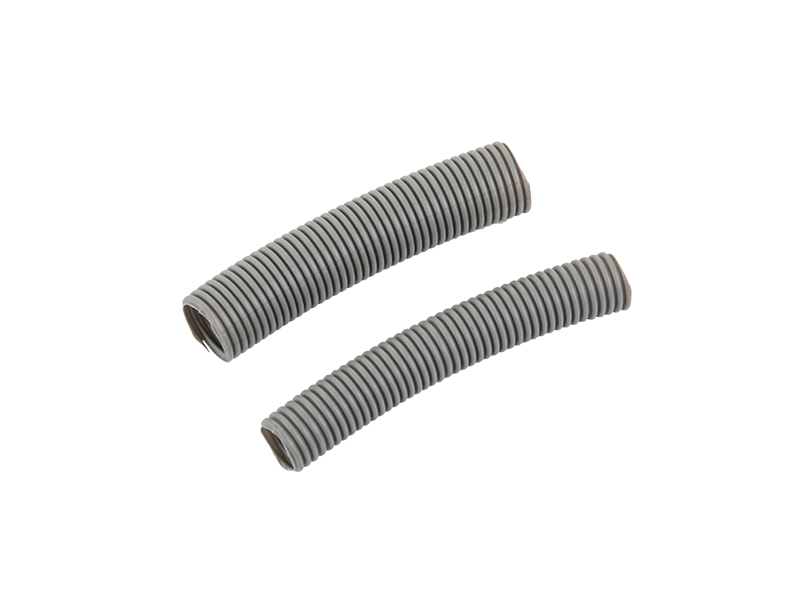 Flexible Steel Conduit Pipes with PA, PP, or PE CoatingThis flexible steel conduit offers corrosion resistance and flexibility for electrical installations. Its PA, PP, or PE coating provides protection against oil and splashes, making it suitable for industrial and mechanical applications.View Product →
Cost and Maintenance Considerations
Initial material cost is only part of the equation. Black steel tubing costs more per foot than PE pipe, but it requires more labor to thread and install. CSST costs more than either, but reduces installation time in difficult layouts. PE pipe is cheap and quick to bury, but it demands a careful trench and a proper transition fitting when it enters the house.
Maintenance also affects whole-life cost. A steel pipe system needs periodic inspection for corrosion and joint leaks. A PE system is essentially maintenance free once installed, provided it stays shielded from direct sunlight. CSST needs visual inspection for kinks and proper grounding.
These same trade-offs between metal and plastic materials appear in different industries. The advantages of nonmetallic materials over traditional metal options are well documented when weight, corrosion resistance, and flexibility are priority factors.
Practical Tips for Matching Pipe Type to the Job
- Start with the code. Confirm which pipe types your local jurisdiction allows for natural gas and propane.
- Match the pipe to the location. Use steel or CSST indoors, PE underground, and CSST or black steel for exposed outdoor runs.
- Size the pipe correctly. Calculate the flow capacity based on the BTU load of appliances and the total distance from the meter.
- Budget for fittings and labor. Steel pipe is cheaper per foot, but more fittings mean faster installation for CSST.
- Plan for testing and documentation. Every gas line installation should end with a pressure test and a permit.
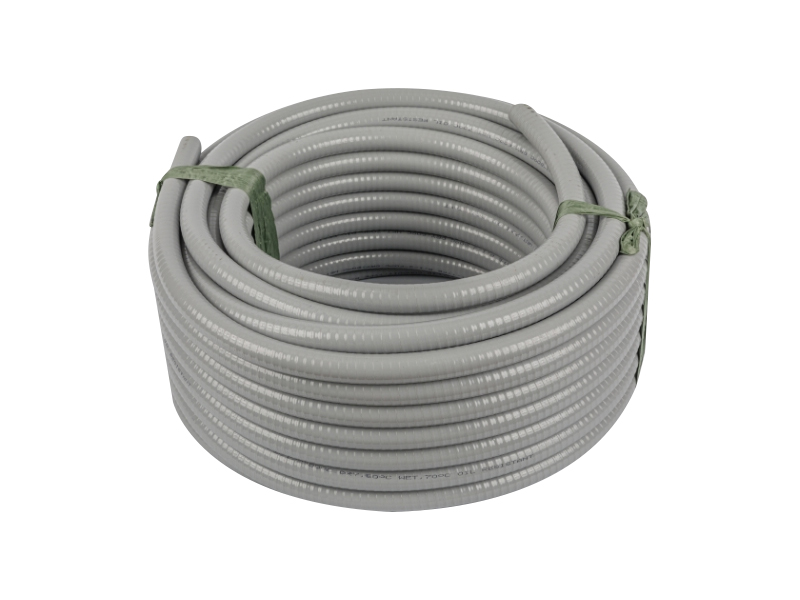 Liquid Tight Flexible Nonmetallic Conduit for Wet LocationsThis nonmetallic conduit is 50% lighter than metallic options, resists oil, water, and corrosion, and is suitable for outdoor and direct burial. Its smooth interior eases wire pulling, reducing installation cost and time.View Product →
Frequently Asked Questions
Can PVC be used for gas lines?
In most regions, PVC is not allowed for gas service. It lacks the mechanical strength, fire resistance, and impact tolerance demanded by the fuel gas code. A few non-standard applications outside the building envelope may use specific polyethylene or flexible thermoplastic pipes for gas service, but these must be listed for that purpose.
What is the best pipe for natural gas?
For indoor lines, black steel pipe is the most recognized and reliable option. For underground distribution, PE pipe is the industry standard. CSST is the best choice when you need to route a line through finished walls or floors with a minimum number of fittings.
Can I install a gas line pipe myself?
In most jurisdictions, a licensed gas fitter or plumber is required. Gas leaks are a serious hazard, and a code violation can void your insurance. Even if you do the rough work yourself, a certified professional should inspect and test the entire run before the utility company connects the meter.
How long does a gas pipe last?
Black steel pipe can last 50 years or more when properly maintained. PE pipe is designed for a service life of 50 to 100 years in buried conditions. CSST is expected to last decades in indoor installations, provided it is protected from drilling, mice damage, and lightning-induced arcing.
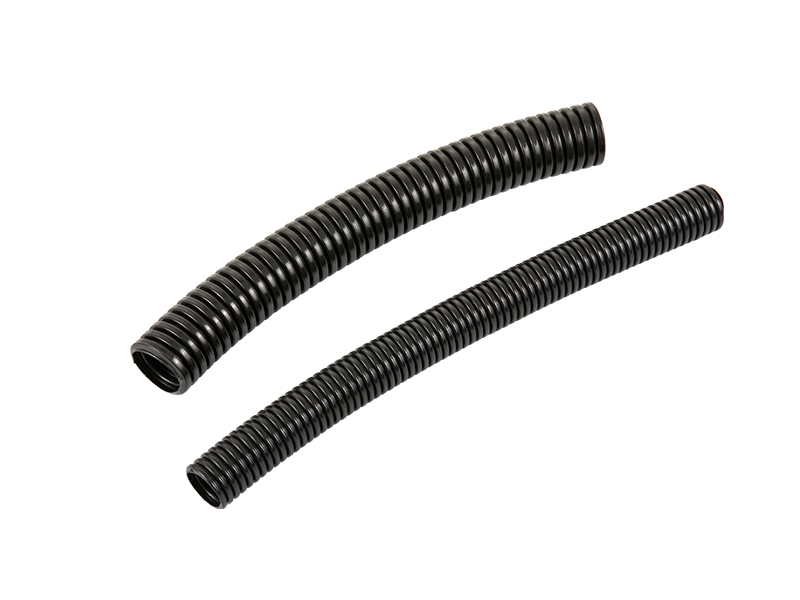 Black PVC Coated Flexible Conduit for Cable ManagementThis black PVC-coated flexible conduit protects cables and wires from damage and fire hazards. Its lightweight, flexible design simplifies routing in tight spaces, while the PVC coating offers oil and splash resistance for industrial environments.View Product →
 Request A Quote