English
 中文简体

If you are deciding between black pipe and galvanized pipe, the answer is straightforward: choose black pipe for gas, oil, and fire-suppression lines, and choose galvanized pipe for water, outdoor runs, and any installation where moisture will attack bare steel. Both pipes are made from carbon steel; the only meaningful difference is the zinc coating on galvanized pipe, and that coating changes cost, lifespan, corrosion behavior, and code acceptance in ways every installer should understand before buying.
What Is Black Pipe?
Black pipe is uncoated carbon steel pipe, and it is the default choice for fuel-gas piping because it is strong, easy to thread, and code-approved for combustible gas. The dark surface is iron-oxide scale left over from the hot rolling process, not a protective finish, so black pipe will rust quickly if it stays wet for long.
Key properties of black pipe include:
- High mechanical strength and good performance under pressure
- Easy to cut, thread, weld, and install
- Lower material cost than galvanized pipe
- Poor resistance to moisture and aggressive soil conditions
Typical uses for black pipe are natural gas and propane distribution, oil lines, low-pressure steam, fire sprinkler piping where codes accept black steel, and compressed-air systems.
What Is Galvanized Pipe?
Galvanized pipe is the same carbon steel base material with a zinc coating applied by hot-dip galvanizing, and this coating makes it the correct choice for water, outdoor exposure, and corrosive environments where uncoated steel would fail. The pipe is immersed in molten zinc, which bonds to the steel and corrodes sacrificially to protect the metal underneath.
What galvanizing actually does:
- Adds a sacrificial zinc layer that protects the steel even at small scratches
- Extends service life dramatically in wet or outdoor applications
- Increases cost and adds slightly to the weight of the pipe
- Creates a visible silver-gray finish that is easy to identify
Common applications include water supply lines in older buildings, outdoor handrails and guardrails, scaffolding, exposed industrial structures, and rigid metal conduit systems in electrical work.
Key Differences Between Black Pipe and Galvanized Pipe
The differences between the two products are summarized in the table below, and the short version is that galvanized wins on corrosion resistance while black wins on price and gas-code compliance.
| Property | Black pipe | Galvanized pipe |
|---|---|---|
| Coating | None; exposed steel with iron-oxide scale | Hot-dip zinc coating that protects the steel |
| Corrosion resistance | Low; rusts quickly when wet | High; zinc coating resists moisture and chloride exposure |
| Typical use | Gas, oil, steam, fire sprinkler, compressed air | Water, outdoor piping, railings, conduit |
| Relative cost | Lower | Higher by a noticeable margin |
| Weldability | Easy; no coating to remove | Possible, but zinc must be ground off and fumes controlled |
| Threading | Full-strength threads with no coating loss | Threading exposes bare steel at the joint, so the connection needs corrosion protection |
| Gas code acceptance | Accepted for fuel gas in most jurisdictions | Rejected for fuel gas in many jurisdictions due to flaking risk |
| Appearance | Dark matte black | Silver-gray metallic finish |
| Service life | Decades indoors in dry service; limited outdoors | Decades outdoors when the zinc coating remains intact |
Cost and Service Life: Where the Zinc Coating Pays Off
Galvanized pipe costs more than black pipe, but the extra expense is justified only when the pipe will be exposed to moisture or outdoors.
Galvanizing adds material and processing cost, so black pipe is the budget-friendly option for dry indoor gas lines. A typical galvanized pipe can cost 20 to 40 percent more than the same size of black pipe, depending on coating thickness and market conditions. Galvanized pipe also lasts longer in wet environments: a well-coated line can serve several decades outdoors, while black pipe in the same position could start rusting within months.
Threading is where many installers get burned. The zinc coating on galvanized pipe is cut away by the die when the pipe is threaded, exposing bare steel at the joints. If the system carries water, that exposed steel is exactly where corrosion starts. Using a quality thread sealant or an anti-corrosion wrap on the exposed threads is essential on galvanized systems. Black pipe threads are the same steel as the rest of the pipe, so there is no coating-loss issue, but the joint still needs pipe dope or PTFE tape rated for the gas being carried.
How to Choose Between Black Pipe and Galvanized Pipe
Match the pipe to the fluid and the environment, and the decision becomes simple: fuel and dry indoor service go black; water and weather go galvanized.
Use this checklist as a practical guide:
- Natural gas or propane lines: use black pipe, because gas codes require it or strongly prefer it in most jurisdictions.
- Potable water lines, where steel pipe is still specified: use galvanized pipe to limit internal rust.
- Outdoor exposed runs: use galvanized pipe; paint or wrap the threads and supports as an extra layer of protection.
- Direct burial: use galvanized pipe with a factory-applied coating or a corrosion-protective wrap, and always verify local code requirements.
- Fire sprinkler systems: use black steel pipe in most commercial applications, since modern sprinkler standards commonly require black pipe with a rust-inhibitive finish.
- Compressed air: use black pipe; galvanized pipe is discouraged because zinc flakes can travel downstream into pneumatic tools and valves.
- Furniture and visible industrial fixtures: use black pipe for its matte finish and clean weldability.
- Electrical conduit: use galvanized rigid metal conduit or intermediate metal conduit; these are the electrical cousins of galvanized pipe and need compatible fittings.
Code and Safety Considerations
Codes treat the two pipes very differently for gas service, and the first sentence of any spec review is usually this: black pipe for fuel gas, galvanized for water, unless the local authority having jurisdiction says otherwise.
Many inspectors and jurisdictional codes reject galvanized pipe for gas distribution because the zinc coating can flake inside the line and clog burner orifices, regulator ports, and appliance valves. This is why black steel has been the traditional standard for gas piping for decades. Some local codes do permit galvanized pipe for outdoor gas risers where rusting of black pipe is a concern, so the exception must be confirmed with the local inspector.
Galvanized pipe raises two other safety points:
- Welding or grinding galvanized pipe releases zinc oxide fumes that can cause metal fume fever, so the coating must be removed and the area ventilated before hot work begins.
- Joining black and galvanized pipe in the same water system creates a galvanic couple that accelerates corrosion at the junction; use a dielectric union when the two metals must meet.
For anyone already working with galvanized steel in other forms, the same corrosion logic applies to fittings. We explain how galvanizing extends the service life of steel fittings in more detail, including what to do when the coating is scratched or cut.
Fittings and Compatibility: Both Pipe Types Need the Right Connections
The pipe material matters, but the fittings decide whether the system holds up, so choose couplings, bushings, nipples, and connectors that match the pipe material, thread standard, and pressure rating before you start threading.
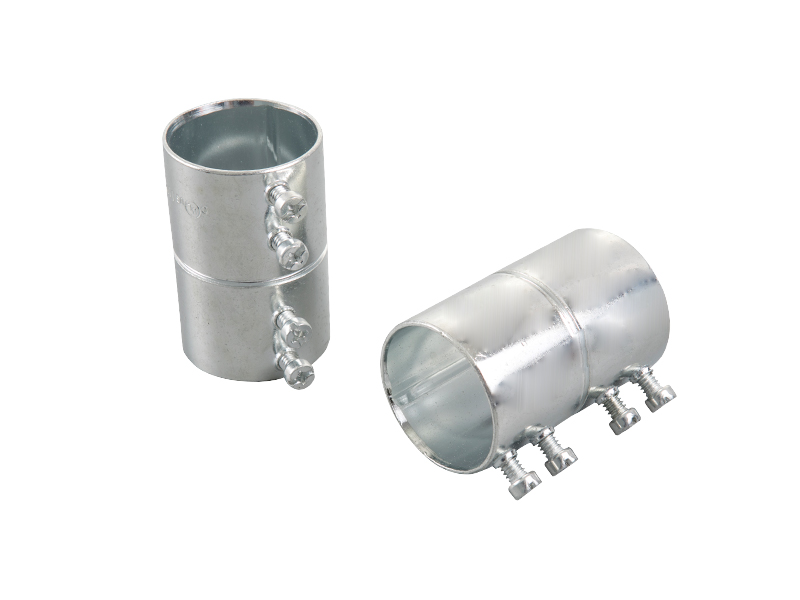
Black pipe and galvanized pipe are almost always joined with threaded fittings using NPT threads. For straight runs where two pipe ends must meet, a steel rigid coupling gives a clean, leak-tight connection that maintains the pressure rating of the line.
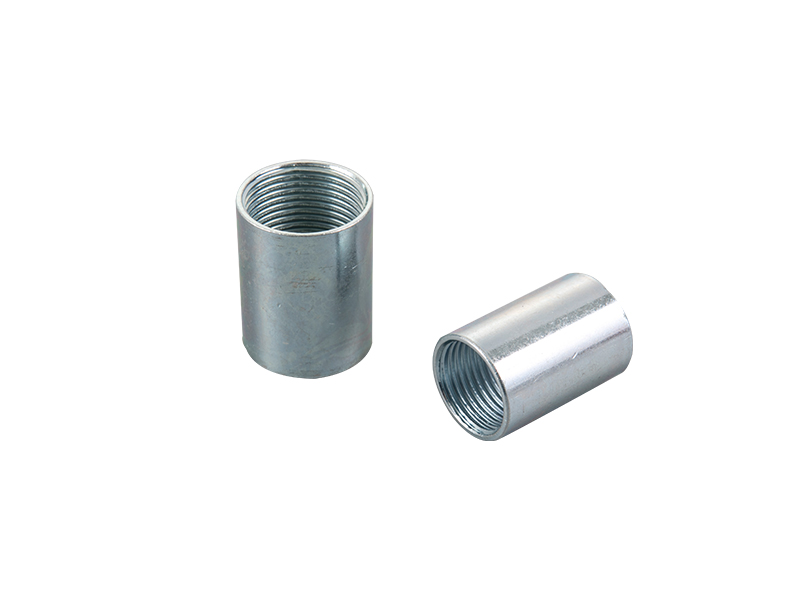 Steel Rigid Electrical Conduit Coupling- Ningbo Xiatao Plastic Industry Co., LtdConnection: FemaleStructure: UniversalFlexible or Rigid: RigidMaterial: Carbon SteelStandard: StandardType: Threaded ConnectionHead Code:...View Product →
When the line changes diameter at a valve, manifold, or piece of equipment, a steel reducing bushing is the simplest way to step down from a larger threaded opening to a smaller pipe size without stacking multiple adapters.
 Steel Threaded Rigid Conduit Reduching Bushing- Ningbo Xiatao Plastic Industry CConnection: MaleType: Reducing typeSpecifications: as DescriptionMaterial: Carbon SteelCustomized: Non-CustomizedCertification: ISOUsage:...View Product →
For short extensions that bring a branch out of a fitting or an equipment connection, a steel rigid conduit nipple keeps the assembly compact and avoids awkward lengths of cut pipe.
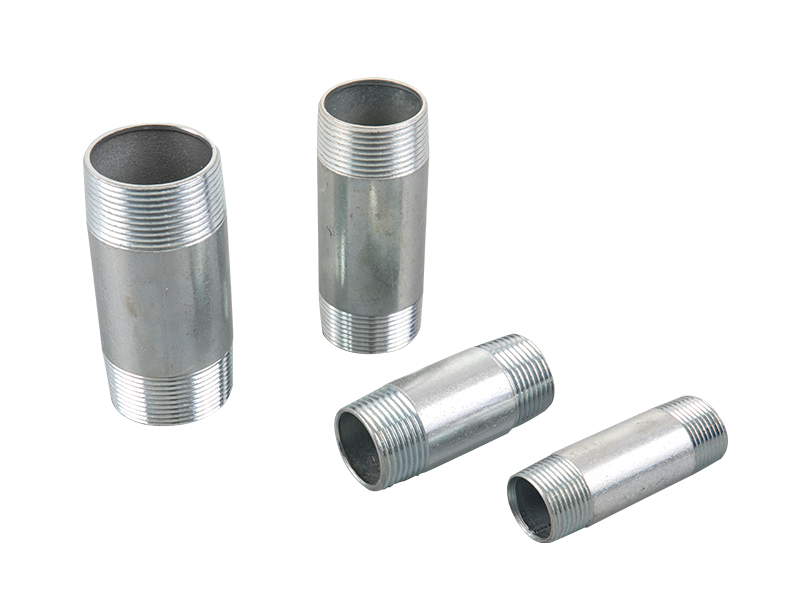 Electrical Steel Rigid Conduit Nipple- Ningbo Xiatao Plastic Industry Co., LtdConnection: MaleMaterial: Carbon SteelHead Code: RoundThread Distribution: External ThreadShape: ReducingShape: EqualType: NippleTechnics...View Product →
The same logic carries over to electrical installations: rigid metal conduit is galvanized steel, so the connectors and couplings must match the conduit type and trade size. Mixing incompatible fitting materials invites galvanic corrosion, failed inspections, and premature failure.
Frequently Asked Questions
Here are the questions installers ask most often when comparing black pipe and galvanized pipe.
Can I use galvanized pipe for natural gas?
Not in most jurisdictions. Gas codes generally discourage or reject galvanized pipe because zinc flakes can break off inside the line and clog orifices and valve ports. Black pipe is the accepted standard. A few areas allow galvanized on exterior gas risers, but that requires local approval.
Is black pipe stronger than galvanized pipe?
The strength of the base steel is essentially the same for both products. Galvanizing adds corrosion protection, not structural strength. When the same wall thickness and schedule are compared, both pipes handle similar pressures.
Does black pipe rust?
Yes, and it rusts much faster than galvanized pipe when exposed to moisture. The dark surface is simply iron-oxide scale from manufacturing, so a black pipe installed outdoors without paint or a protective coating will begin surface rust within weeks.
Can you weld galvanized pipe?
It is possible, but the zinc coating must be ground away from the weld area first, and the work area must be ventilated because zinc oxide fumes are hazardous. Welding galvanized without preparation produces poor welds and exposes the welder to dangerous fumes.
How long does galvanized pipe last?
In a typical outdoor or wet environment, galvanized pipe can last 40 to 50 years or more if the zinc coating stays intact and the joints are protected. In highly corrosive soil or salt air, the service life can drop considerably.
Final Recommendation
Match the pipe to the service: black pipe for gas and dry systems, galvanized pipe for water and weather, and you will rarely go wrong.
Before you buy, confirm the local code, check the pressure class of the fittings, and inspect the threads on every joint. The pipe material gets the attention, but the fittings decide the lifespan.
 Request A Quote