English
 中文简体

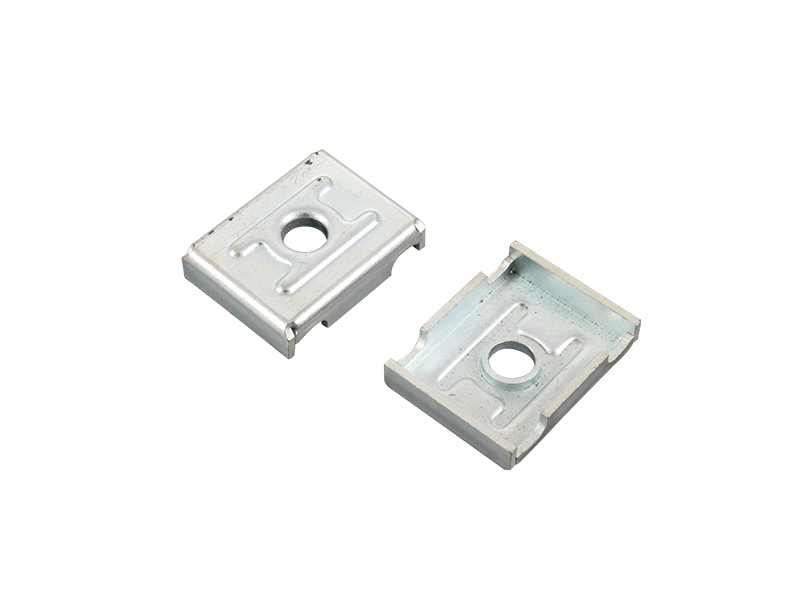
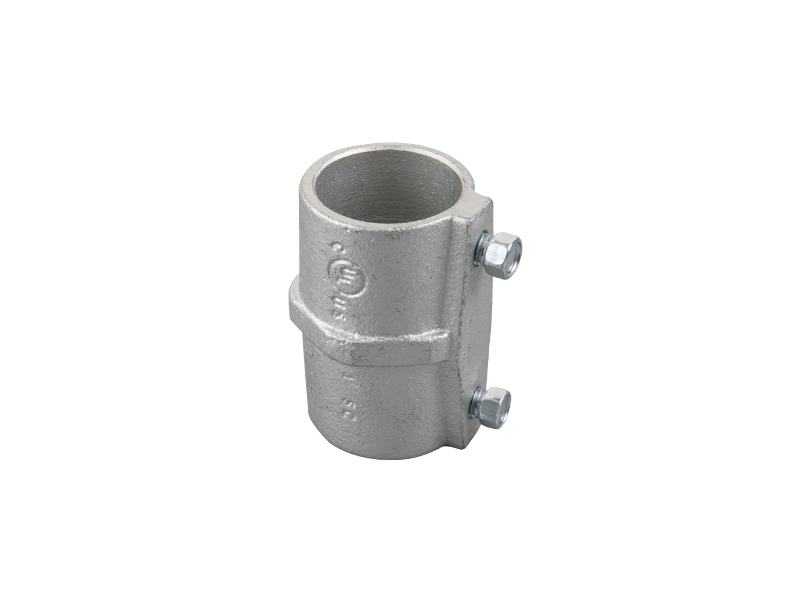
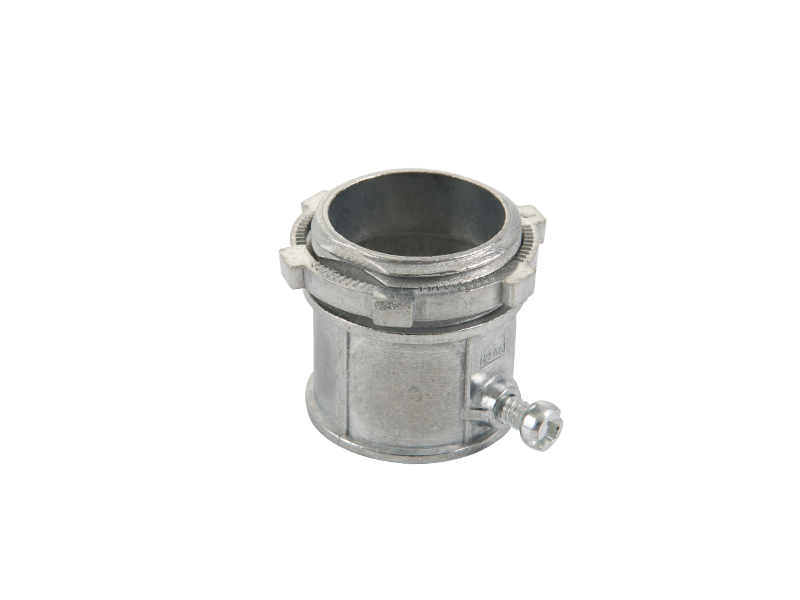
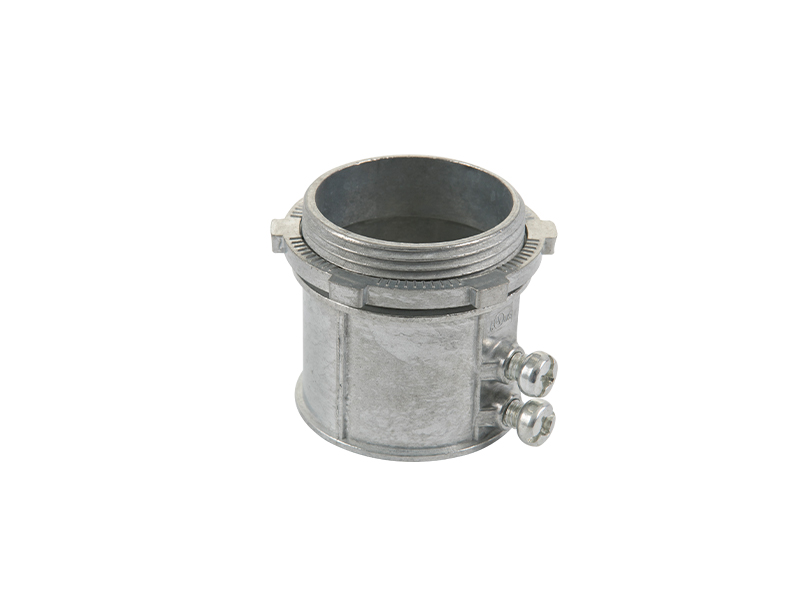
Black iron and galvanized pipe start from the same low-carbon steel, but a zinc coating on galvanized pipe changes everything: corrosion resistance, approved applications, joining methods, cost, and service life. In short, black iron pipe is the standard choice for gas lines, welding, and high-temperature service, while galvanized pipe is the better option for water, outdoor exposure, and any environment where rust is a real risk. To select correctly, compare coating behavior, application codes, and installation method side by side.
What Is Black Iron Pipe?
Black iron pipe is carbon steel pipe without any protective coating. The dark gray-black surface comes from iron oxide scale formed during hot rolling and cooling. Despite the name, the material is not cast iron; it is standard low-carbon steel, and "black iron" remains a colloquial term used across the plumbing and electrical industries.
The absence of a coating creates two practical advantages:
- Cleaner fuel-gas performance. No zinc layer means nothing flakes off to clog gas valves, burner orifices, or regulator screens.
- Simple, safe welding. Without zinc, welding produces no toxic oxide fumes and creates strong, clean joints.
Black iron pipe is most common in natural gas and propane distribution lines, fire sprinkler branches, hydronic heating loops, compressed-air lines, and structural or furniture projects that call for welding and a matte industrial finish.
What Is Galvanized Pipe?
Galvanized pipe is carbon steel covered with a protective zinc layer, usually applied by hot-dip galvanizing or, less commonly, electroplating. Hot-dip is dominant for pipe because the thicker coating, typically 50 to 85 microns, provides decades of corrosion protection. When the surface is scratched, the zinc corrodes preferentially to the exposed steel, a mechanism called sacrificial protection.
The visible result is a bright, spangled silver-gray finish that is instantly recognizable. That coating drives the differences that matter to buyers:
- Moisture and weather resistance. Zinc stops water and oxygen from reaching the steel, which is why galvanized pipe survives outdoors.
- Longer life in wet environments. A galvanized water line can serve 40 to 70 years in a moderate climate, whereas uncoated black iron rusts through in a fraction of that time.
Galvanized pipe appears in outdoor handrails, fencing, scaffolding, exposed plumbing, older water supply systems, and electrical conduit installations where wet or corrosive conditions are expected.
Key Differences Between Black Iron and Galvanized Pipe
Black iron and galvanized pipe differ in four purchasing-critical ways: corrosion resistance, approved applications, joining method, and price. The table below summarizes these factors.
| Property | Black Iron Pipe | Galvanized Pipe |
|---|---|---|
| Zinc coating | None | 50–85 microns, hot-dip or electroplate |
| Appearance | Dark gray-black, matte | Bright silver, spangled texture |
| Corrosion resistance | Poor; rusts quickly in moisture | Good in humid, outdoor, and wet conditions |
| Primary applications | Gas lines, sprinklers, compressed air, welding projects | Water lines, outdoor structures, wet-location conduit |
| Weldability | Excellent; no toxic fumes | Coating must be removed; ventilation required |
| Relative cost | Lower per meter | Higher because of the galvanizing process |
| Fuel-gas code acceptance | Widely accepted | Prohibited in many jurisdictions |
Strength is essentially identical because both products share the same steel substrate. The zinc coating adds no structural capacity; it only changes corrosion behavior. When comparing "stronger" materials, the real question is durability in a specific environment, not burst pressure.
Corrosion Resistance: The Real Reason They Differ
Corrosion resistance is the single greatest difference between the two materials. Black iron has none: in the presence of moisture it forms rust within weeks and can develop pinhole leaks within a few years. Galvanized pipe, by contrast, relies on sacrificial zinc protection that keeps the steel sound even where the coating is scratched.
Galvanized pipe is not a universal fix, though. In highly acidic water, aggressive soil, or marine salt air, the zinc layer consumes more quickly, and once it is gone the underlying steel corrodes at the same rate as black iron. For gas piping, galvanized pipe has a second drawback: zinc flakes can loosen inside the pipe, travel downstream, and restrict flow or plug burner components, which is why many fuel-gas codes prohibit galvanized pipe inside buildings.
The same corrosion logic applies to electrical conduit. Galvanized steel conduit and fittings are specified for outdoor and wet locations, while black steel is restricted to dry interiors. Preventing corrosion in galvanized conduit fittings is especially important in coastal plants and chemical facilities.
Gas, Water, and Everything In Between
Material selection is rarely a free choice: the conveyed fluid, the environment, and local codes usually dictate the answer. Use the following guidance as a starting point.
- Natural gas or propane: choose black iron; the risk of zinc flaking makes galvanized unacceptable for interior gas lines in most jurisdictions.
- Water supply or exposed outdoor plumbing: choose galvanized if metal pipe is required, and pair it with galvanized fittings.
- Compressed air: black iron is preferred, because zinc flakes and rust particles can damage pneumatic tools and valves.
- Outdoor electrical conduit: use galvanized rigid steel or PVC-coated galvanized conduit with matching galvanized couplings and connectors.
- Dry interior electrical conduit: black steel conduit is acceptable, less expensive, and easy to weld when fittings are fabricated on site.
- High-temperature service: black iron remains stable at elevated temperatures, while zinc coatings begin to degrade above roughly 200 °C.
Local regulations outweigh general guidelines. Always confirm the fuel-gas code, plumbing code, and electrical code in your region before purchasing materials.
Welding, Threading, and Choosing Compatible Fittings
Welding is where the two materials diverge most sharply. Black iron welds cleanly with standard stick or MIG procedures. Galvanized pipe emits zinc oxide fumes during welding that can cause metal fume fever, a flu-like illness, so the coating must be ground off around the joint and the area ventilated before any hot work begins.
Threading is nearly identical for both materials. Standard NPT threads are cut with the same dies, and PTFE tape or pipe dope rated for the conveyed fluid works on both. The critical rule is to keep the fitting material consistent with the pipe: use black malleable iron fittings with black iron pipe, and zinc-coated fittings with galvanized pipe. Mixing them invites galvanic corrosion at the connection.
The same matching principle governs conduit systems. In a galvanized rigid conduit run, every coupling, connector, elbow, and clamp should be galvanized; in an interior black steel run, use black steel or malleable iron fittings. A rigid coupling preserves mechanical continuity between conduit sections, while a set-screw coupling is the fastest way to join black iron conduit in dry locations.
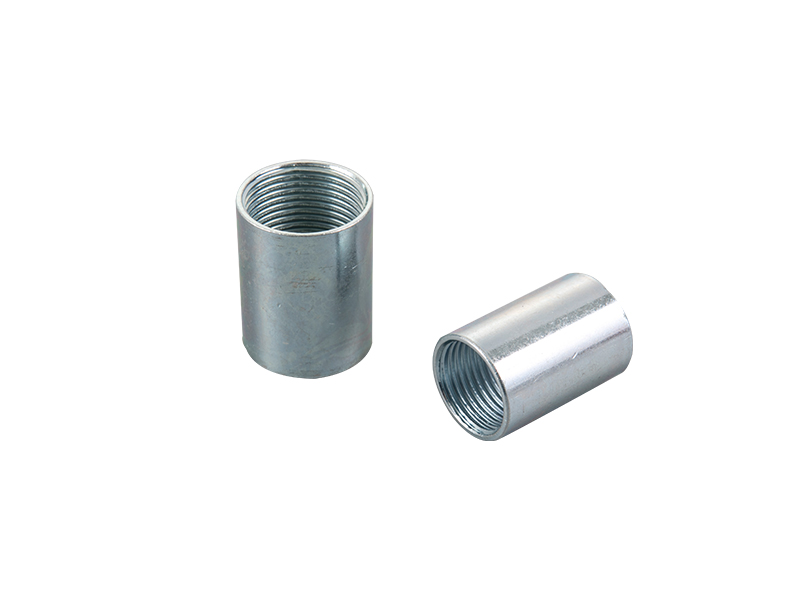 Galvanized Steel Rigid Conduit Coupling for IMC and RMCThis threaded coupling joins galvanized rigid or intermediate metal conduit sections while maintaining a waterproof seal, making it a suitable match for the galvanized runs described above.View Product →
 Malleable Iron Set Screw Coupling for ConduitA quick-connect option for joining black iron conduit in dry locations, this set screw coupling supports the fast assembly mentioned in the surrounding text and suits interior steel runs.View Product →
For wet locations that still need flexibility, a 90-degree malleable iron liquid-tight connector keeps the seal while routing cable around obstacles. Key factors when selecting steel conduit fittings include thread type, material certification, and the temperature rating of any sealing gasket.
 90-Degree Malleable Iron Liquid-Tight ConnectorThis angled connector preserves a liquid-tight seal while routing conduit around obstacles, and its reusable design with sealing washer and locknut suits the wet-location flexibility noted nearby.View Product →
Frequently Asked Questions
Is black iron pipe the same as black steel pipe?
Yes. "Black iron" is a traditional name for low-carbon steel pipe with no protective coating. The material does not contain meaningful amounts of cast iron; the name comes from the dark iron-oxide finish left by manufacturing.
Can galvanized pipe be used for natural gas?
Generally no. Most fuel-gas codes prohibit galvanized pipe inside buildings because the zinc coating can flake and clog burner orifices and regulator screens. Some jurisdictions allow galvanized pipe for outdoor above-ground runs, but black iron remains the accepted interior standard.
Which material is stronger, black iron or galvanized?
Both use the same steel substrate, so burst strength and impact resistance are equal. Galvanized pipe only seems stronger because it survives corrosive environments longer; in dry indoor gas service, black iron delivers comparable or better long-term reliability.
Can galvanized pipe be welded like black iron?
Yes, but with precautions. The zinc coating must be ground off around the joint before welding, and the area must be ventilated, because zinc oxide fumes are toxic. Black iron requires neither step.
How long does galvanized pipe last?
In moderate conditions, hot-dip galvanized pipe commonly lasts 40 to 70 years. Service life falls to about 20 to 30 years in marine or industrial atmospheres and improves in dry indoor environments.
The practical takeaway is straightforward: match the material to the environment and the fluid. Use black iron for gas, air, welding, and dry interiors; use galvanized wherever moisture, weather, or corrosive exposure is present. When you buy pipe and fittings, keep the coating system consistent from end to end, and most corrosion-related failures in plumbing and electrical installations can be avoided.
 Request A Quote